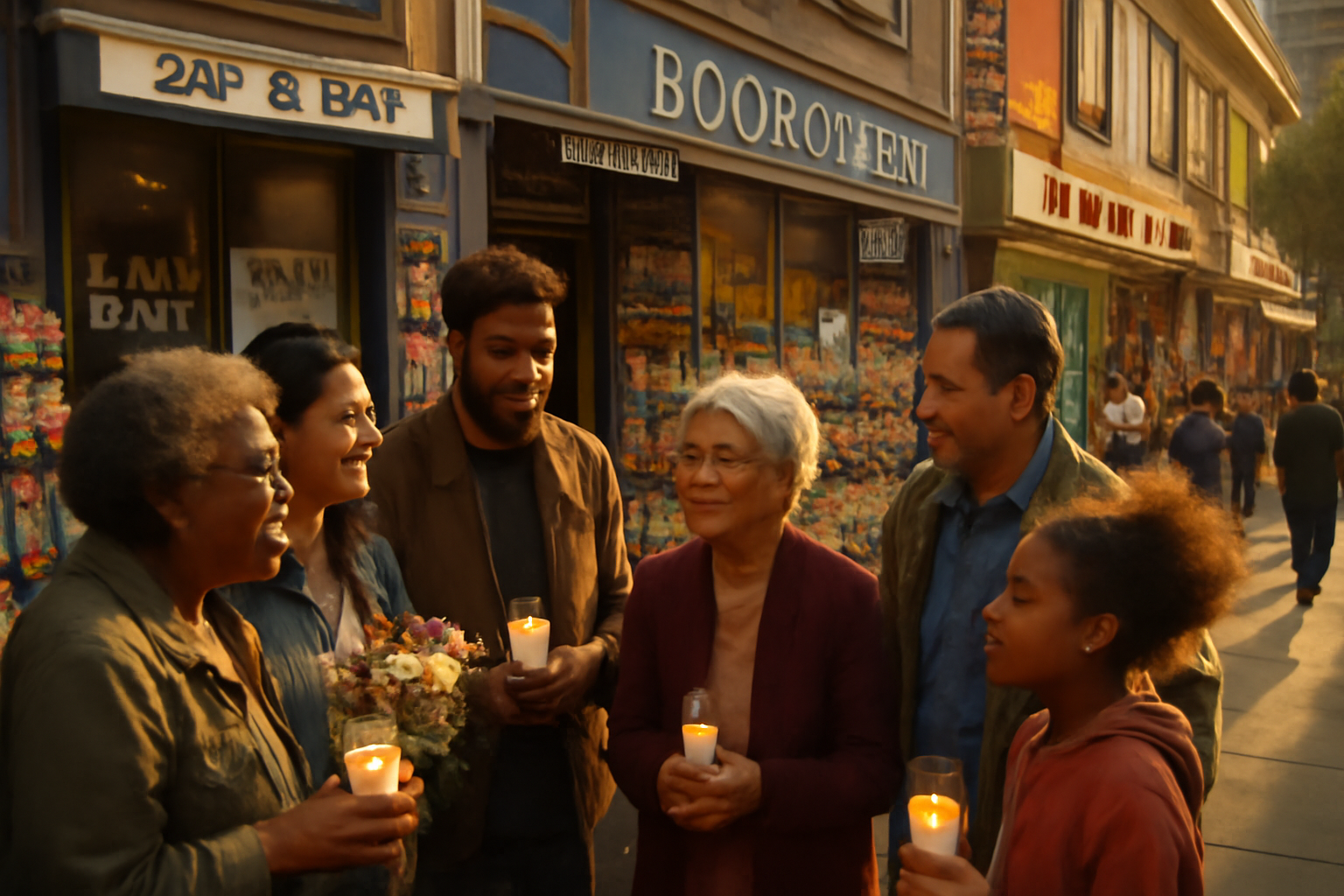
Businesses and residents near 24th St. BART urge for remembrance and support
IN BRIEF
|
Businesses and residents near 24th Street BART are expressing their concerns regarding the surge of illegal vending that has been affecting their daily lives and commerce. Despite city agencies focusing resources at the nearby 16th Street BART plaza, local merchants feel overlooked as unpermitted vendors thrive while they struggle. Reports indicate that these vendors operate diligently during hours designed to evade law enforcement, filling the sidewalks with a variety of merchandise. The community is calling for greater attention and support to help restore the local economy and improve the overall conditions in the area.
In the vibrant and bustling atmosphere of the 24th Street BART station, local businesses and residents are increasingly calling for greater support and recognition of their challenges. While the area showcases diversity and community spirit, issues like street conditions, illegal vending, and the impact of city policies have created an environment ripe for concern. Merchants and locals demand action to address their struggles, advocate for change, and preserve the neighborhood's character.
A Community in Distress
Businesses around the 24th Street BART station feel the strain as they compete with a significant increase in illegal vending. Despite efforts to enhance the area and curb illegal activities, many street vendors have found ways to operate despite city regulations. This thriving underground market affects businesses trying to survive and the residents who depend on the area's stability.
The Struggle Against Illegal Vending
Merchants have voiced that the temporary vending ban imposed on Mission Street, which is likely to continue, has not effectively eliminated this issue. Instead, vendors have adapted their schedules to work around the presence of public truck workers and police officers. Operating hours have become routine, reminiscent of actual retail hours, demonstrating that vendors remain undeterred even in the face of enforcement efforts.
The Impact of Local Policies
As policies evolve, many local residents and shop owners believe that the current approach to street vending only complicates matters. The lack of stringent oversight has led to a rise in unregulated sales, compromising the neighborhood's aesthetics and safety. It has prompted suggestions for re-establishing a stronger police presence to manage illegal activities in the area, illustrating a growing frustration among business owners. These calls resonate with the sentiments shared by many within the community.
The Voices of Concerned Business Owners
Local proprietors have begun to voice their discontent. Nancy Sanchez, a dedicated coffee shop manager, expressed that the poor conditions created by illegal vending directly affect her business. Beyond inconvenience, the situation has financial implications—money that could contribute to her shop is siphoned away due to the attraction of unregulated markets. Sanchez emphasized that the city must regain control of the streets, advocating for legislative changes to empower police intervention.
Her sentiments reflect a consensus among business owners. Many feel vulnerable, caught in a “cat-and-mouse” game with street vendors. They feel the need for systematic re-evaluations for effective enforcement that supports legitimate businesses and maintains local order. With recent bill discussions, stakeholders hope their voices may lead to significant change in enforcement attitudes.
The Community's Collective Memory
Residents and business owners also highlight the importance of remembrance for the struggles faced within their community. The collective memory of overcoming challenges contributes a crucial layer to their identity. Anti-vending sentiments are shaped by a history of conflict and resilience, with many recalling how the previous community worked together to support local businesses while confronting social issues.
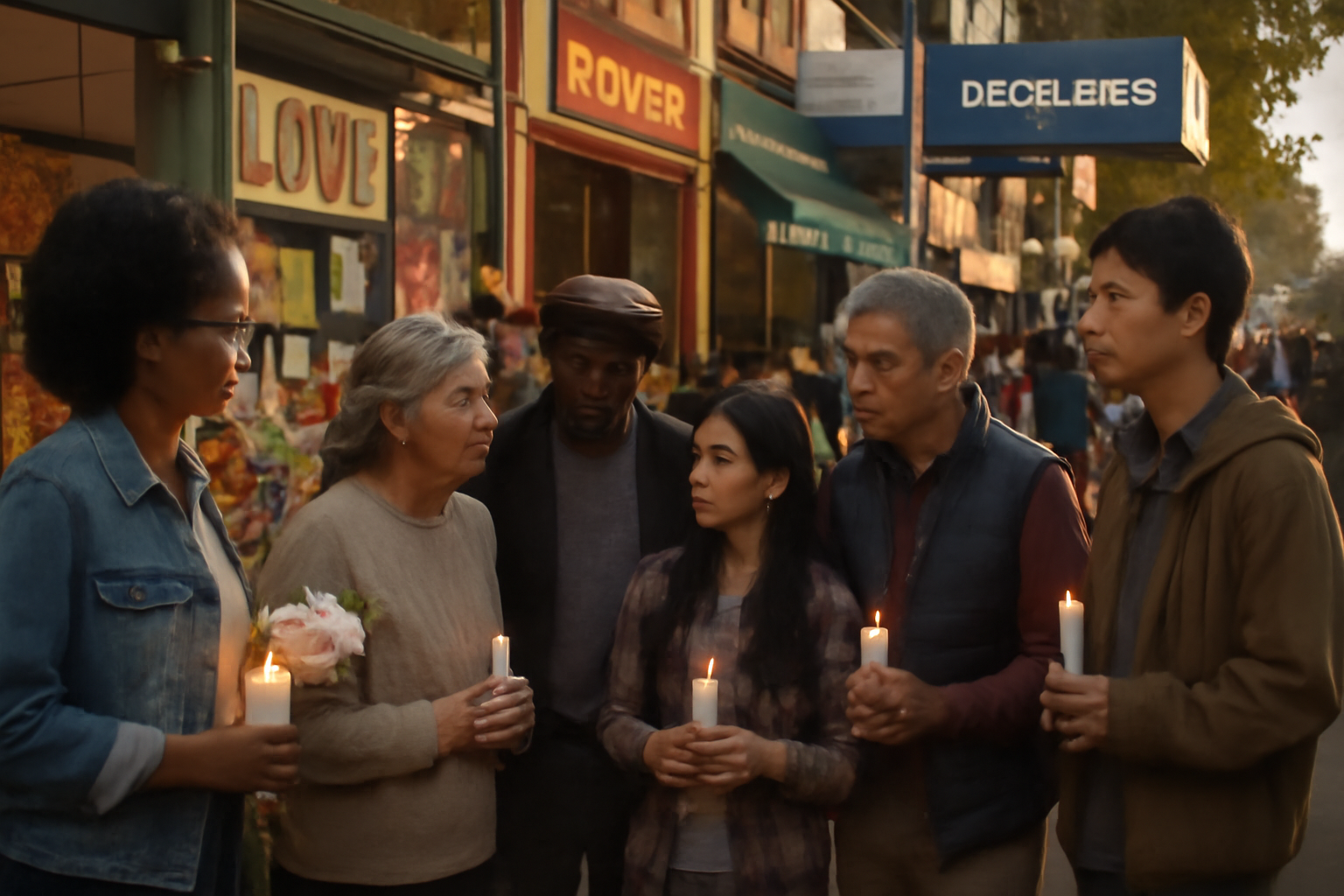
Commemorative events and memorials serving as reminders of their shared history and struggles in the community associated with the area encourage residents to come together in solidarity. Keeping this history alive fosters connections among community members, ensuring that future generations value their roots.
A Call for Better Support Systems
The residents and businesses near 24th Street BART are not just looking to eradicate street vending; they seek a more comprehensive approach to enhance their community. Support systems that foster collaboration among city officials, business owners, and residents are crucial. Initiatives that promote local entrepreneurship, provide affordable spaces for legitimate vendors, and support small businesses could help revitalize the area while respecting community needs.
Engagement and Dialogue
Open dialogue between city officials and community members will be paramount. Regular community meetings could facilitate collaborative brainstorming ideas for addressing issues like illegal vending and public safety effectively. These conversations ensure that all perspectives are represented, driving solutions forward that benefit everyone involved.
Building a Sustainable Vision
As discussions around urban residency and business landscapes unfold, a commitment to building a sustainable vision for the area becomes essential. The residents and business owners near 24th Street BART are not only advocating for change but also preparing to participate in crafting the future of their community. This proactive stance can lead to innovative solutions tailored to their unique needs.
To further enhance their circumstances, they are exploring partnerships with local organizations focused on economic development, which can provide crucial resources and training for newer businesses. This holistic approach aims to create a thriving atmosphere where both established and new enterprises can coexist harmoniously.
A Community Resilient and Ready for Change
The shared experiences of businesses and residents weave a narrative rich in resilience and determination. Their stories capture the ongoing battle against illegal vending while pushing for recognition and lasting support for local businesses. As awareness builds, the hope for impactful change becomes more tangible, encouraging others to join in a collective push for a more equitable and flourishing neighborhood.
Businesses and residents near 24th Street BART will continue advocating for missing support, remembering their past, and forging a path toward solidarity and growth. By coming together, they strive not only to face challenges but also to thrive in a community where opportunity and respect reign. As they've expressed, true transformation begins with acknowledging the reality faced in their beloved neighborhood.
Voices from the Community: A Call for Support
Businesses and residents surrounding the 24th Street BART station are vocal about the challenges they face and the urgent need for support. One coffee shop owner, Nancy Sanchez, expressed her frustration, saying, “The illegal vending and poor street conditions are hurting us. It takes away our customers and affects our bottom line.” She feels that a stronger police presence is necessary to maintain order and support local businesses.
Angelica Quiroz, who runs a shop nearby, added, “They should not only take those who are selling, but also those who are buying as well. The police need to demand respect.” Her sentiment reflects a growing consensus that the problem goes beyond just the vendors; it impacts the entire neighborhood.
Manuel Vargas, a worker at a printing booth in the area, highlighted theeffects on his trade: “Customers don’t want to come here because of all the activity. During the last Memorial Day, vendors were out all day long.” His plea for support is echoed by residents who feel overwhelmed by the situation.
A resident who sells products out of necessity shared her struggles, saying, “I’ve only sold $5 today. I get depressed. I have a disability and I can't work, but I need to pay my rent.” Her story illustrates the harsh realities of those trying to make a living amidst a chaotic environment.
Alicia Salazar, another vendor, is also frustrated. “The cops have taken my stuff three times already,” she said. “I just want to work and survive, but it’s hard to keep going when we aren’t treated with the dignity and respect we deserve.” Her words represent the feelings of many who are fighting for their place in the community.
As the community faces these challenging circumstances, their call for support and remembrance echoes through the streets. They seek not only to preserve their businesses but also to reestablish a sense of safety and dignity for all who live and work in this area.