The battlefield strategy that prioritizes the protection of civilian lives
IN BRIEF
|
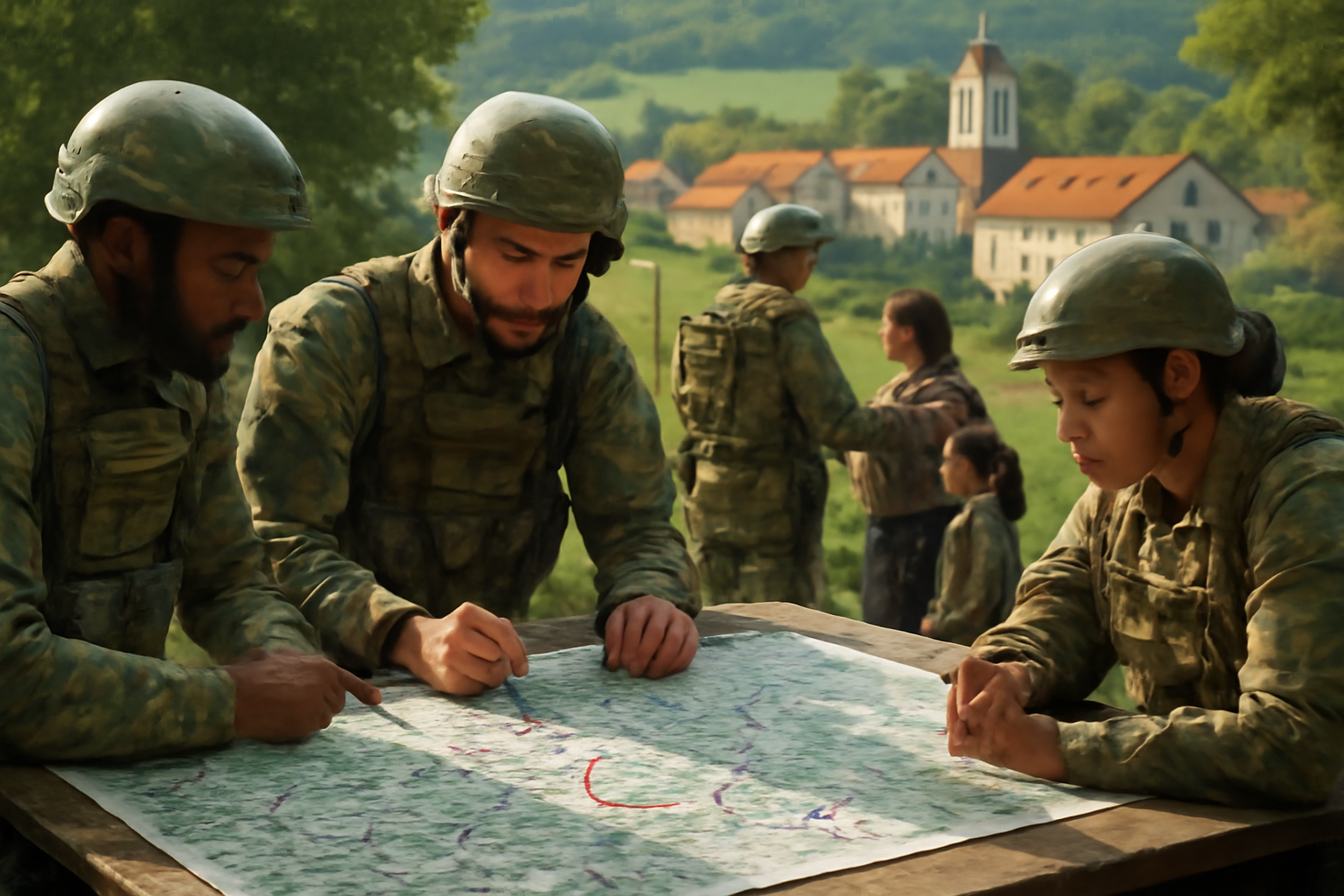
In modern warfare, a battlefield strategy that prioritizes the protection of civilian lives has become crucial. This approach emphasizes minimizing harm to non-combatants while achieving military objectives. By employing tactics such as precision targeting, intelligence gathering, and engagement rules that limit firepower in populated areas, armies aim to reduce collateral damage and foster trust within local communities. The integration of humanitarian principles into military planning not only seeks to preserve civilian safety but also enhances overall mission success by addressing the political and social ramifications of armed conflict.
In contemporary warfare, the imperative to safeguard civilian lives has emerged as a crucial strategy influencing military operations. This article delves into the intricacies of battlefield strategies that focus on civilian protection, examining the frameworks, ethical considerations, and real-world applications of these strategies in various conflict zones. By prioritizing the safety of civilians, militaries can not only diminish human suffering but also foster stability and peace in regions embroiled in turmoil.
Understanding the Importance of Civilian Protection
Civilians often find themselves trapped in the crossfire of armed conflicts, leading to devastating outcomes. The need to protect non-combatants has gained traction in international law, notably through the Geneva Conventions, which emphasize the need to distinguish between combatants and civilians. As warfare evolves, so too does the relevance of these principles, necessitating innovative strategies to effectively shield those not participating in hostilities.
The Ethical Imperative
Within the context of military operations, the ethical imperative to protect civilians extends far beyond legal obligations. It encompasses a moral responsibility to uphold human dignity, minimize collateral damage, and ensure that humanitarian principles are upheld. This ethical framework encourages military leaders to develop strategies that prioritize the preservation of life, thus shaping military culture and operational planning.
The Role of International Law
International law provides a vital foundation for protecting civilians during conflicts. Protocols such as the 2005 Geneva Conventions focus on the principles of distinction and proportionality in military actions. Commanders are obliged to consider the potential impact of their operations on civilian populations. Failure to adhere to these laws can result in war crimes and loss of legitimacy in the eyes of the global community, reinforcing the need for comprehensive training and awareness within military ranks.
Strategies for Civilian Protection on the Battlefield
The battlefield strategies aimed at safeguarding civilian lives include a range of innovative approaches that allow for military efficacy while minimizing harm to non-combatants. Understanding and implementing these strategies are crucial in the modern theater of war.
Enhanced Intelligence and Surveillance
One of the most significant advancements in modern warfare is the integration of intelligence and technological capabilities. Robust intelligence gathering and surveillance systems allow militaries to assess the presence of civilians in conflict zones, thereby enabling informed decision-making before engaging in military actions. Drones and reconnaissance planes provide critical insights, helping to reduce the likelihood of civilian casualties.
Precision Strikes and Targeting Protocols
Precision strikes in urban environments require stringent targeting protocols to minimize unintended harm to civilians. The employment of sophisticated weaponry, coupled with rules of engagement that emphasize precision, substantially lowers the risk of collateral damage. Additionally, military units are often equipped with guidelines on proportional response, ensuring that any retaliatory actions are balanced against the potential risk to non-combatants.
Community Engagement and Psychological Operations
Engaging the local community is another pivotal strategy for protecting civilians. By building trust and establishing relationships with local populations, military forces can better assess the risks involved in military operations. Furthermore, psychological operations can alter perceptions of the military presence, signaling to civilians that their safety is prioritized. This dual approach fosters cooperation and improves overall operational effectiveness.
The Challenges of Civilian Protection
While strategies for protecting civilians are essential, several challenges persist that complicate their implementation. Understanding these challenges is key to refining military operations and enhancing civilian safety.
Complex Urban Environments
Modern warfare increasingly unfolds in complex urban settings, where the presence of civilians is often intertwined with combatants. The intricate nature of urban warfare not only complicates target identification but also heightens the risk of civilian casualties during military operations. Establishing clear rules of engagement is paramount amidst the chaos of urban battlegrounds.
Non-State Actors and Asymmetrical Warfare
Non-state actors frequently operate with greater unpredictability, complicating the protection of civilians. These groups may embed themselves within civilian populations, complicating military strategies designed to minimize harm. Additionally, asymmetrical warfare blurs the lines between combatants and civilians, making it challenging for militaries to uphold the principles of distinction and proportionality.
Political Haywire
Political factors can also have a significant impact on the effectiveness of civilian protection strategies. The interplay between military objectives and political goals may sometimes create tensions that undermine the commitment to safeguarding non-combatants. Military leaders must navigate these complexities carefully to ensure that operational decisions align with ethical and moral obligations.
Success Stories in Civilian Protection
Despite the challenges, numerous military operations have successfully prioritized civilian protection, demonstrating the potential for effective strategies to yield positive outcomes in times of conflict.
UN Peacekeeping Missions
Many UN peacekeeping missions have adopted comprehensive civilian protection strategies that include the deployment of peacekeepers tasked with safeguarding civilians in conflict zones. These missions emphasize the importance of engaging local communities and establishing trust to create safe environments in which civilians can thrive during skirmishes.
Innovative Military Training Programs
Military forces worldwide have increasingly recognized the need for innovative training programs focused specifically on civilian protection. These programs educate personnel on the legal, ethical, and tactical aspects of minimizing civilian harm during operations. Enhanced understanding fosters a culture of respect for civilian lives within military institutions.
Conclusion: Looking Ahead in Civilian Protection
Effective civilian protection strategies will undoubtedly continue to evolve as warfare imperatives change. Embracing new technologies and methodologies, optimizing intelligence, and engaging with communities will provide the necessary tools to ensure that the protection of civilian lives remains paramount on the battlefield. As military operations adapt to modern conflicts, an unwavering commitment to safeguarding the most vulnerable members of society will remain a critical measure of operational success.
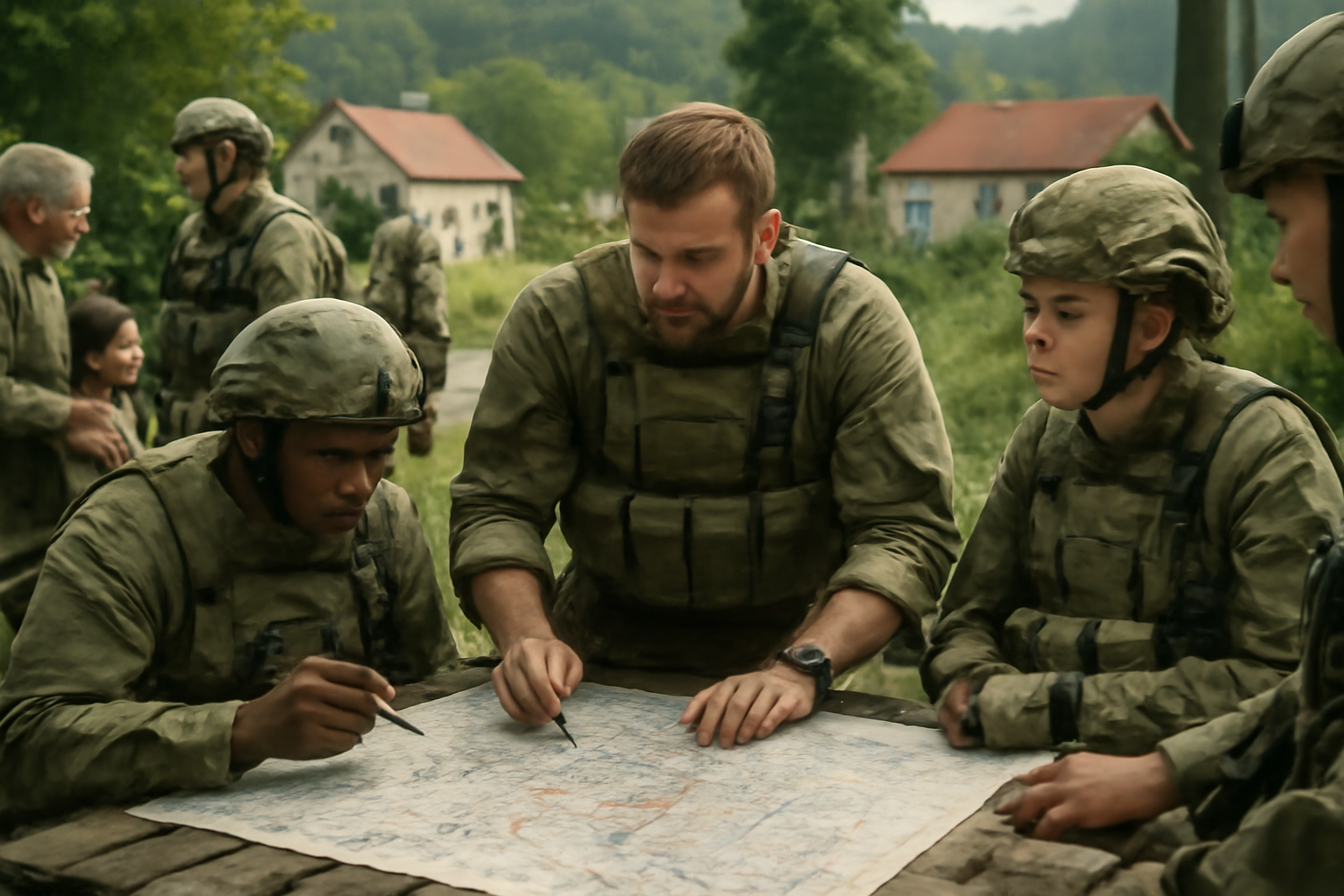
In the ever-evolving landscape of warfare, the protection of civilian lives has become a pivotal strategy. Many military leaders and organizations have recognized that safeguarding innocent lives can lead to a more sustainable peace and a better outcome in conflicts. Here are some insights and testimonials about this vital approach.
One military leader shared, "Our mission is not only to defeat the enemy but to ensure that our operations do not harm innocent civilians. We've implemented strict rules of engagement that mandate collaboration with local communities to better understand their needs and safety concerns." This commitment establishes trust between military forces and civilians, creating an environment where everyone can feel secure.
A humanitarian worker emphasized the importance of this strategy, stating, "When governments prioritize civilian protection, it changes the entire dynamic of the battlefield. It helps in reducing the cycle of violence and ensures that our relief efforts can reach those in need without the fear of being caught in crossfire." This perspective highlights the long-term benefits of prioritizing civilian safety over aggressive military tactics.
A survivor of a conflict zone remarked, "I’ve seen the destruction that wars can cause, but I’ve also witnessed how military forces that prioritize civilian lives can make a difference. When soldiers take the time to communicate with us, it gives us hope and a sense of safety." Such testimonies underscore the profound impact that prioritizing civilian well-being can have in mitigating the horrors of war.
Experts in conflict resolution argue that prioritizing civilian lives should be an integral part of any military strategy. "By focusing on protecting non-combatants, we are addressing the core issues that lead to conflicts in the first place. When young people see their communities treated with respect and consideration, they are more likely to build a peaceful future," one analyst noted. This perspective reinforces the idea that the protection of civilians is not just a tactical decision but a strategic one that can reshape future generations.